
Trapping without exclusion is a maintenance task, not a solution. Until the entry points are identified and sealed with rodent-resistant material, the population simply replenishes from outside. Show Me Pest Control solves the input problem in Rose Hills before addressing the existing population.
Why Trapping Alone Fails
A rodent protocol that produces a permanent result addresses inputs before outputs. This is how we approach every job in Rose Hills.
The written entry point map is the most important thing we produce. Every gap, penetration, and structural opening is located, documented, and matched to a sealing material. You know exactly what was there and what we did to seal it.
Steel mesh, copper wool, expanding foam with deterrent additives, and commercial-grade caulk rated for rodent exclusion. The materials we use are specifically resistant to the chewing and gnawing behavior that defeats consumer sealants.
Trapping after exclusion is a completely different exercise than trapping without it. With inputs sealed, every catch is a net reduction. We map the evidence, place stations strategically, and track the population decline through monitoring visits.
We return after treatment to check every exclusion point, review bait station activity logs, and confirm the interior population has cleared. Follow-up is not optional - it is how we verify the work actually held.
The Population Math
The reproductive arithmetic of mice is what makes trap-only rodent control a permanent maintenance task rather than a solution. A single female mouse in a structure can produce 40 to 60 offspring in a calendar year, with pups reaching reproductive maturity at 6 weeks. A small founding population - two or three mice in October - becomes a significant interior population before winter ends. If the entry points remain open, this is compounded by continued immigration from outside. Trap catches represent removal, but they do not represent a declining population as long as the entries remain open. The population simply replaces what the traps remove. This is the math that explains why Rose Hills homeowners who have been trapping for months describe the same catch rate week after week with no improvement.
Evidence reading is the step between finding the entry points and placing the stations. Runway smear marks along baseboards and behind appliances map the active travel corridors - the routes the population uses repeatedly. Fresh versus old droppings tell you whether an area is currently active or abandoned. Droppings distribution maps the harborage zone concentration. Gnaw patterns distinguish mice (small, irregular marks) from rats (larger, more defined marks). Nesting material indicates where the primary colony is located, which is typically within a few feet of a reliable food source and a structural cavity that provides shelter. All of this evidence is documented during the assessment and used to determine bait station and trap placement. Stations placed on active runways perform significantly better than stations placed at random intervals along a wall.
Catching mice every week with no improvement in Rose Hills?
Call +1-866-315-0243. Our exclusion protocol addresses the input, not just the output - that is how the problem ends.
The 14 entry points that most homeowners never find are not exotic or difficult to locate once you know what to look for. They include: gaps around plumbing penetrations in the cabinet undersides (a 1-inch pipe run through a 1.5-inch hole leaves a 1/4-inch annular gap on each side - more than enough for a mouse), HVAC duct penetrations through the basement ceiling or crawl space floor, weep holes in brick veneer (intentional architectural openings that are unintentionally perfect mouse entries), the gap above the garage door track where the top seal meets the framing, the space between the sill plate and the foundation in older construction where sill plate shrinkage creates gaps, roof-fascia separation at the gutter line where repeated thermal cycling opens joints, and dryer vent terminations with worn or missing flap dampers. Most of these gaps are in locations that are never visually surveyed by the homeowner - under the sink, in the crawl space, at the roofline. Our assessment methodology is specifically designed to reach these locations because that is where the entries are.
Attic rodent infestations present a specific set of considerations that differentiate them from standard interior treatment. Contaminated attic insulation - insulation saturated with rodent urine and droppings over a sustained infestation period - is a health and structural concern that requires remediation beyond the rodent control treatment itself. Roof rats are the primary species in attic infestations in warmer parts of CA; Norway rats in the basement or crawl space is the more common pattern in northern areas. The entry point categories for attic infestations focus on the roofline: fascia gaps, broken or missing roof vent screens, soffit-fascia separations, and construction gaps at chimney flashing. Commercial rodent programs add a documentation layer not required in residential treatment: service logs, catch records, station maps, and trend reports are standard requirements for food service establishments operating under health department oversight in Rose Hills and CA. Show Me Pest Control provides full program documentation for commercial accounts as a standard component of every service agreement.
Services Provided
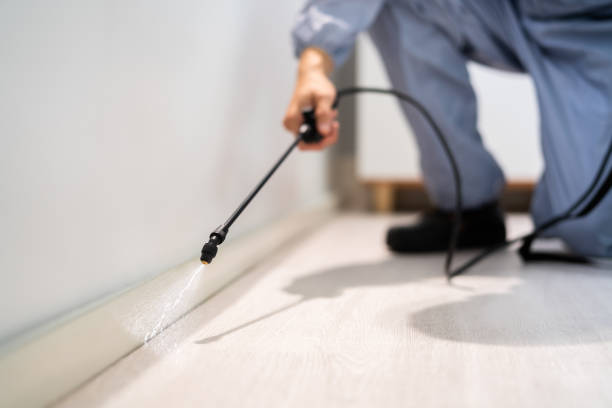
Comprehensive entry assessment produces a written map of every structural opening - the document that makes the exclusion work verifiable and the follow-up inspection efficient.
Call to Schedule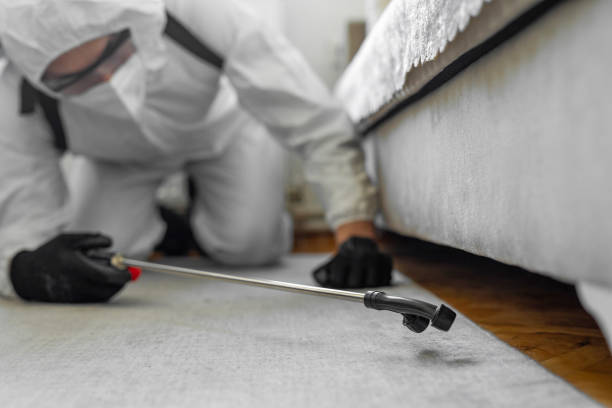
Steel mesh, copper wool, and rodent-rated sealants at every identified penetration. This is the work that changes the math - sealing inputs so every trap catch becomes a permanent net reduction.
Call to Schedule
Evidence-mapped bait station placement following the exclusion work. Active runways, droppings distribution, and nesting evidence determine where stations go - not a default grid pattern.
Call to Schedule
Roofline and foundation entry assessment, snap trap and bait station placement in confined access spaces, and recommendations on insulation remediation where rodent contamination has occurred.
Call to Schedule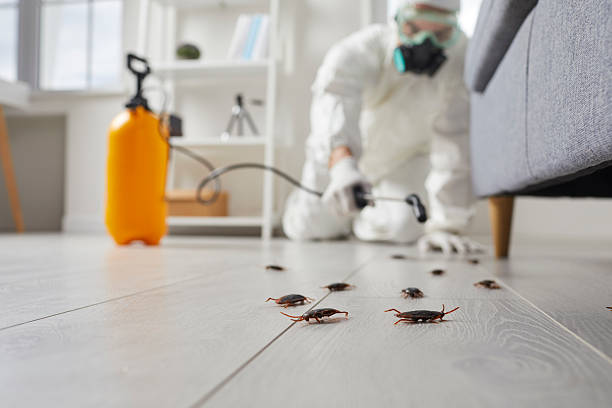
Commercial rodent programs in Rose Hills with full documentation packages: station maps, service logs, catch records, and trend analysis formatted for health department compliance.
Call to Schedule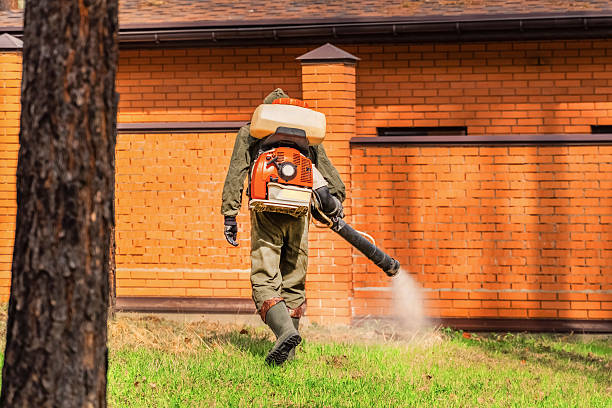
Scheduled return visit verifies exclusion integrity - no new openings, no chewed seals - and reviews bait station activity data to confirm population clearance. Built into every residential program.
Call to ScheduleThe Process
We assess the infestation by phone - species, affected areas, duration, and any previous treatment history - before scheduling.
Every gap, penetration, and structural opening documented. The written map is the foundation for the exclusion work and the follow-up verification.
Every identified entry point sealed with the appropriate rodent-resistant material. Bait stations placed based on evidence mapping - not default positioning.
Follow-up verifies exclusion integrity and confirms population trend to zero. Clearance is documented when both data points confirm it.
Client Results in Rose Hills
I had been catching 2 mice per week for 4 months. Never getting ahead of it. Show Me Pest Control came in, did the assessment, and found 9 entry points I had never noticed - including two behind the refrigerator water line that had been open for years. They sealed all 9. Zero catch in 3 weeks. I do not know why I waited so long to call.
11 entry points along the old sill plate gap - that was the answer. The previous contractor said the house just had mice. Show Me Pest Control found 11 openings that a proper entry assessment was designed to find. Sealed them all. No rodent activity the following winter. The house does not just have mice. It had gaps.
We had a national pest control company for 18 months. Monthly visits, monthly cost, monthly activity in the reports. Switched to Show Me Pest Control. Their entry assessment found the gap behind the dishwasher drain that the previous company had documented in their own reports but never sealed. Exclusion work completed in one visit. Zero activity in the follow-up period. I could not believe the problem had a simple answer that just was not being acted on.
Common Questions
The most common reason rodents return after sealing in Rose Hills is that the entries you found were not all the entries. Gaps under the kitchen sink at the plumbing penetrations, weep holes in brick, dryer vents with missing dampers, and sill plate gaps in older construction are rarely found by self-inspection. Our assessment methodology is designed to reach these specific locations - because that is where the entries are. We also use rodent-resistant materials rather than consumer foam, which rodents chew through in one season.
Steel mesh, copper wool, and commercial rodent exclusion sealants are the material categories we use in Rose Hills. Consumer expanding foam is not sufficient - it is easy for mice to chew through. Steel mesh at plumbing penetrations and larger gaps, copper wool in small crevices, exclusion caulk as a sealant layer. Each material is matched to the gap and exposure type. The written map documents every seal and the material used so follow-up re-inspection is systematic, not guesswork.
Tamper-resistant bait stations are the standard for residential treatment in Rose Hills - designed to prevent access by non-target animals and children. We also place stations in locations not accessible to household members where practical. If you have specific concerns, snap trap-only protocols are available and we discuss placement in detail before any treatment begins. Call +1-866-315-0243 to talk through your household situation.
For a typical single-family home in Rose Hills with a contained infestation, the standard process is: an initial assessment and exclusion visit, followed by a follow-up visit 2 to 3 weeks later to verify exclusion integrity and review bait station catch data. Most single-family residential cases show zero or near-zero catch by the follow-up visit when the exclusion is complete. More extensive infestations or properties with a large number of entry points may require an additional visit. Commercial properties typically operate on a monthly service schedule with documentation provided at each visit. We provide a timeline estimate based on your specific property and infestation during the phone assessment - call +1-866-315-0243 for a conversation before scheduling.
Yes. Attic rodent treatment involves roofline entry assessment - fascia gaps, broken vent screens, soffit separations - and trap placement in confined spaces. Crawl space treatment focuses on foundation-level entry assessment and station placement in low-clearance areas. Both require specific assessment methodology that standard interior inspection does not cover. We also advise on insulation remediation for attics with significant contamination from extended infestation. Call to schedule in Rose Hills.
The exclusion-first principle is the same for both, but the specifics differ. Mice can enter through a 1/4-inch gap; rats require a 1/2-inch opening. Entry point categories differ accordingly - the gaps that require steel mesh for rats are often sealed with copper wool for mice. Rat runway evidence (smear marks, droppings size, gnaw marks) differs visually from mouse evidence, affecting station placement. Norway rats concentrate in basements and crawl spaces; roof rats concentrate in attics. Bait formulations and trap types differ between species. We identify the species during the assessment and adjust the exclusion material selection, station placement strategy, and trap type to match the specific animal. A protocol designed for mice applied to a Norway rat infestation will produce incomplete results for the same reason that misidentified species in cockroach treatment produces incomplete results - wrong protocol for the specific pest.
If you have been catching mice every week with no improvement, the entry points are still open. Call +1-866-315-0243 to schedule an entry point assessment in Rose Hills - the step that ends the treadmill.
Call +1-866-315-0243 Now